Introduction to Georgia
Geographical Location and Strategic Importance
Georgia is a country in the Caucasus region, at the crossroads of Europe and Asia. It borders Russia to the north, Turkey and Armenia to the south, and Azerbaijan to the southeast. Georgia also has access to the Black Sea in the west.
Area: Approximately 69,700 square kilometers
Strategic position: A bridge between Europe and Asia
Geopolitical importance: Energy transit route from the Caspian Sea to Europe
Population and Major Cities
Georgia’s population is about 3.7 million (2021 statistics)
Major Cities
Tbilisi (Capital): About 1.1 million people
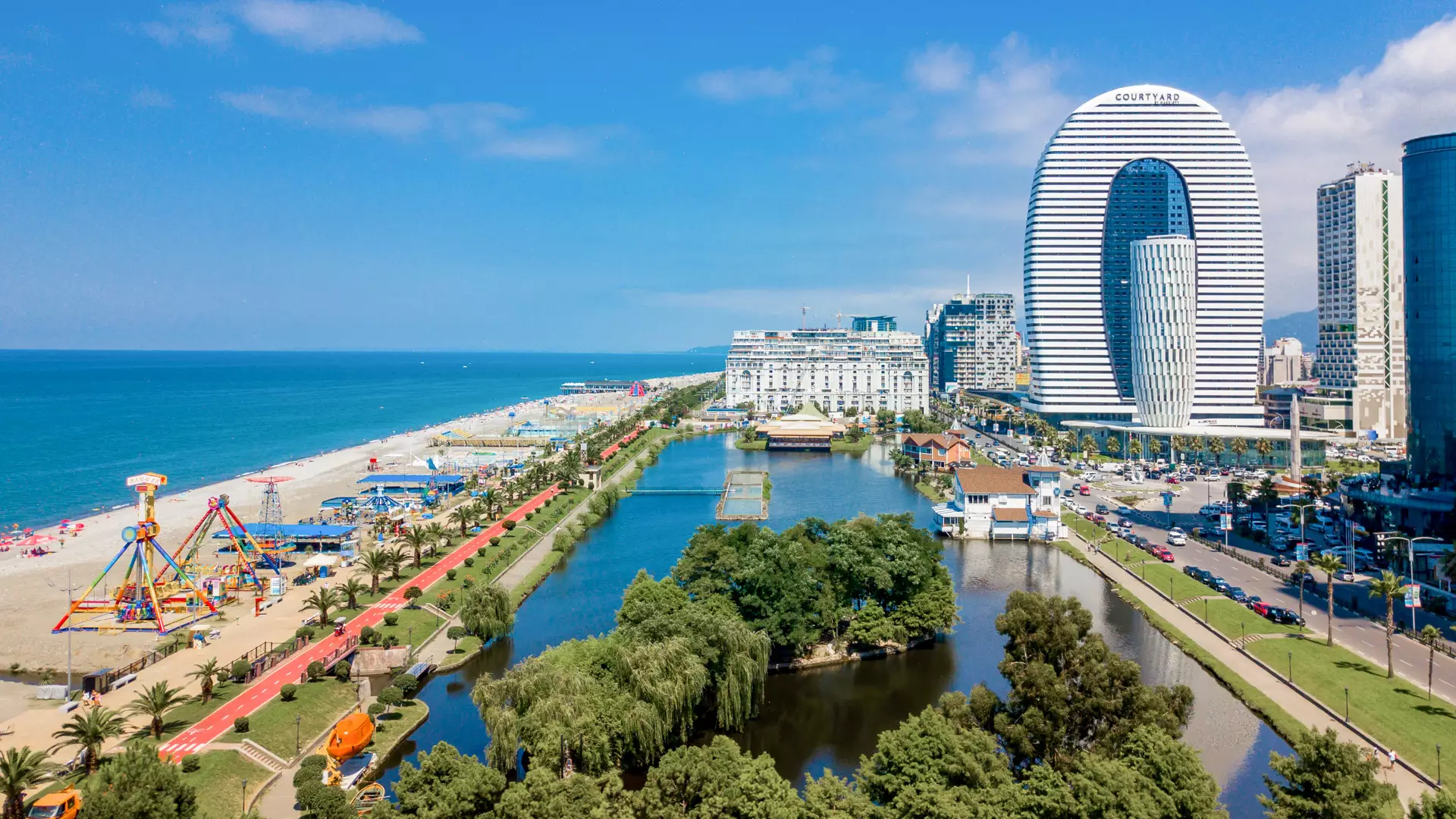
Batumi: Important coastal and tourist city
Kutaisi: Second largest city and industrial center
Rustavi: Industrial center near Tbilisi
Economy
Combination of agricultural, industrial, and service sectors
Focus on tourism development and attracting foreign investment
Member of the World Trade Organization (WTO)
Climate and Ecological Diversity
Georgia has a diverse climate:
Coastal areas: Mediterranean climate with hot summers and mild winters
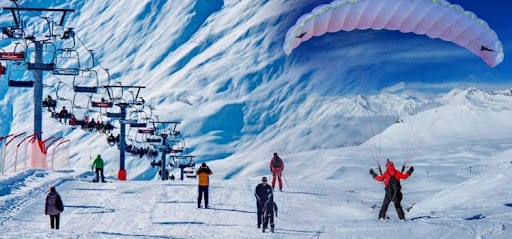
Mountainous areas: Cold, snowy winters, suitable for winter sports
Eastern regions: Semi-arid climate
Valleys: Temperate climate, suitable for agriculture
Culture and History of Georgia
Brief History of Georgia
Ancient times*: Georgian civilization from the first millennium BC
4th century AD*: Adoption of Christianity as the official religion
Middle Ages*: Golden age of Georgian culture and art
19th century*: Annexation to the Russian Empire
1991*: Regaining independence
2003: Rose Revolution and the beginning of democratic reforms
Georgian Language and Literature
Official language*: Georgian, with a unique alphabet
Language antiquity*: One of the oldest living languages in the world
Literature*: Rich with epics, poetry, and prose
Famous writers*: Shota Rustaveli (12th century), Ilia Chavchavadze (19th century)
Local Customs
Hospitality*: Highly valued in Georgian culture
Supra*: Traditional Georgian feast with food, wine, and song
Tamada*: The toastmaster at feasts
Polyphony*: Multi-voice singing tradition (UNESCO World Heritage)
Traditional Foods and Drinks

Foods:
Khachapuri: Cheese-filled bread
Khinkali: Meat dumplings
Satsivi: Chicken with walnut sauce
Drinks:
Wine: 8000-year-old winemaking tradition
Chacha: A type of grape vodka
Art and Architecture
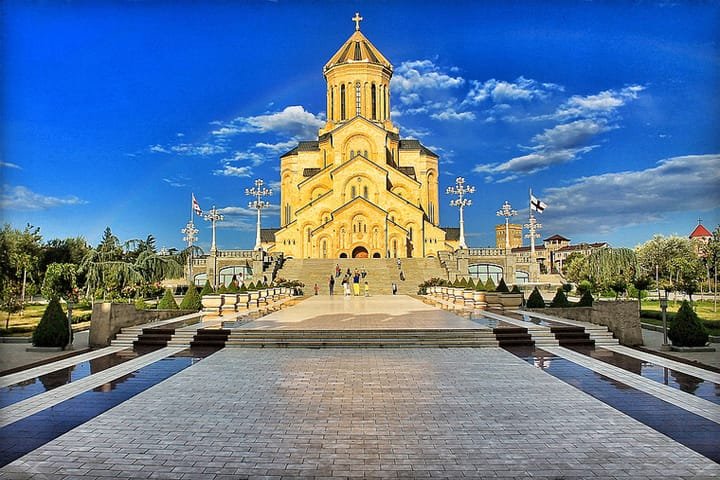
Historic churches*: Unique architecture dating back several centuries
Painting*: Miniature art and church frescoes
Music*: A combination of Eastern and Western traditions
Dance*: Energetic and dramatic folk dances
UNESCO World Heritage Sites in Georgia
Historical monuments of Mtskheta
Bagrati Cathedral and Gelati Monastery
Ushguli village in Upper Svaneti
Georgian polyphonic singing (Intangible Cultural Heritage)
The Role of Religion in Georgian Culture
Majority of the population follows the Georgian Orthodox Church
Deep influence of Christianity on art, architecture, and customs
Peaceful coexistence of different religions
Sports and Recreation
Football: Most popular sport
Wrestling: Traditional sport with international success
Skiing: Famous ski resorts like Gudauri and Bakuriani
Contemporary Georgia
Efforts to integrate into European and Western structures
Development of the tourism industry
Geopolitical challenges and relations with neighbors
Georgia is a country with a rich history, diverse culture, and beautiful natural landscapes. The combination of ancient traditions and modern trends has made this country an attractive destination for tourists and immigrants. A deep understanding of Georgian culture and history can help immigrants adapt more quickly to their new environment and have a richer experience of life in this country.